Why I add this to my
pre-workout caffeine
Sean Nalewanyj – March 4, 2026
Caffeine is probably the most well-supported performance supplement in sports nutrition.
It blocks adenosine receptors, reducing perceived fatigue, while increasing dopamine and norepinephrine to elevate alertness, motivation and drive.
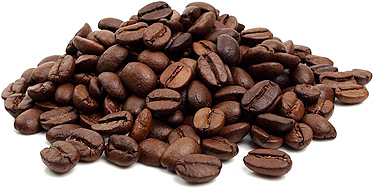
There’s a reason it’s the one pre-workout ingredient that most researchers agree on. It just works.
But most people stop there.
And while caffeine alone is effective, there’s a simple addition that can improve the experience: L-theanine.
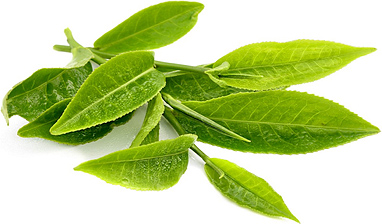
L-theanine is an amino acid found naturally in tea leaves.
It promotes alpha brain wave activity, which is the neural state associated with calm, sustained attention.
If you’ve ever noticed that tea produces a different quality of alertness compared to coffee despite both containing caffeine, L-theanine is likely part of the reason.
It “smooths out” stimulation without dulling it.
When you pair the two together, the effect is noticeably different from either one alone.
You don’t just feel more awake. You feel focused and intentional, or what most people would describe as “locked in.”
During training sessions this can help you feel less jittery and scattered, and more absorbed in the task at hand.
One study in Nutritional Neuroscience found that the caffeine-theanine combination improved both speed and accuracy on an attention-switching task compared to caffeine alone. [1]
Other research in Biological Psychology showed that the pairing increased cognitive performance across multiple measures while reducing mental fatigue. [2]
And a 2025 study in the Journal of the International Society of Sports Nutrition tested this directly in elite athletes. [3]
The caffeine + theanine group outperformed all other conditions on strength, power, endurance and cognitive accuracy.
Caffeine alone caused anxiety symptoms in over 90% of participants. When combined with theanine, that dropped to 8%.
This is also worth keeping in mind if you tend to gravitate toward heavily stimulated pre-workouts.
Arousal and performance follow an inverted-U curve.
More stimulation helps up to a point, but past that, performance can actually decline.
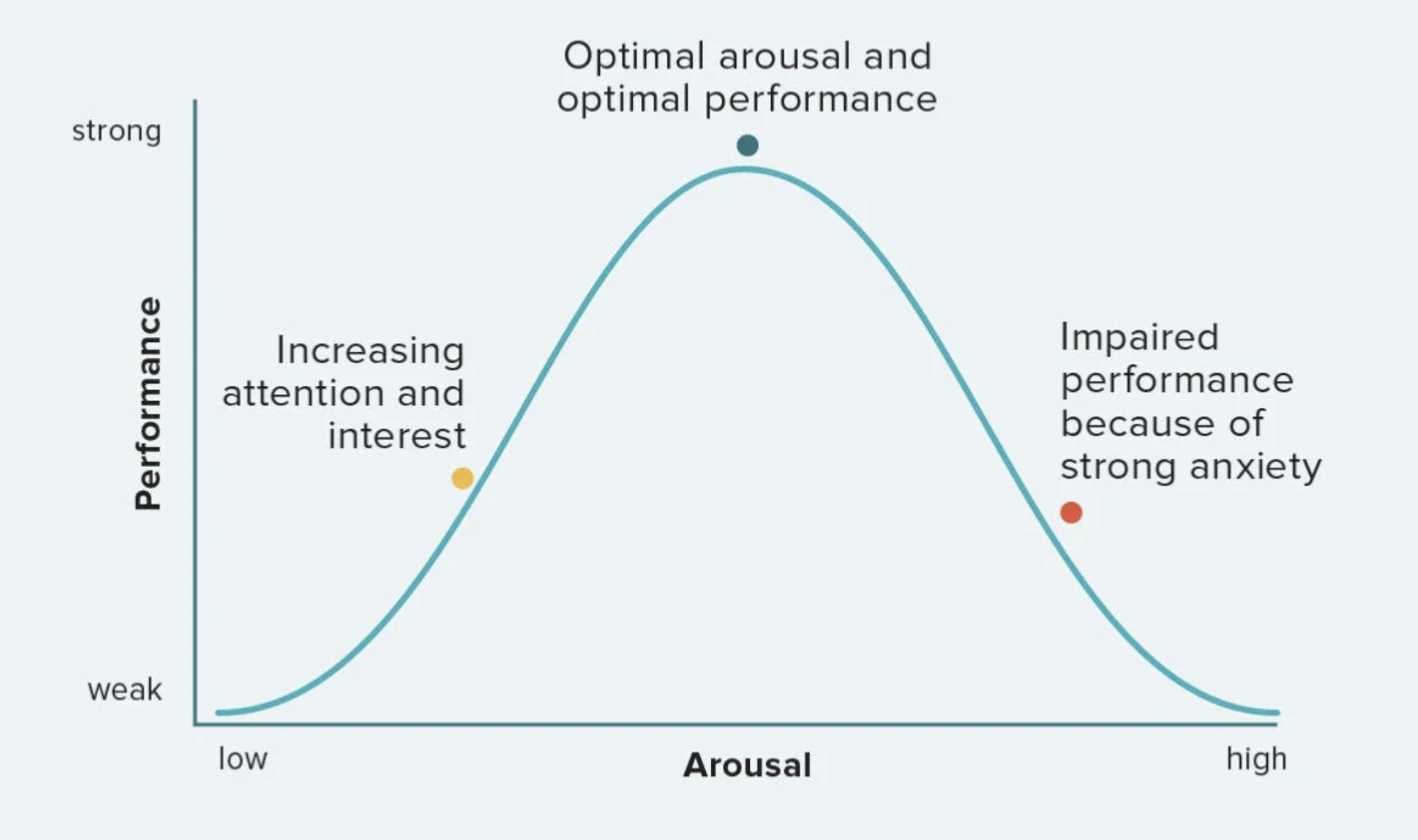
Research has shown that very high caffeine doses can impair performance metrics like bar velocity in trained athletes, while moderate doses remain consistently effective. [4]
The goal isn’t maximum stimulation.
It’s to find an optimal middle ground where you’re sharp and energized without tipping over the edge.
I’ve used this combination personally for over a decade and consider it one of the few genuinely useful pre-workout stacks for maximizing training performance.
It’s why I added it into our RealScience Athletics PureForm Pre-Workout in a balanced 1:1 ratio, alongside other evidence-backed ingredients at proper doses.
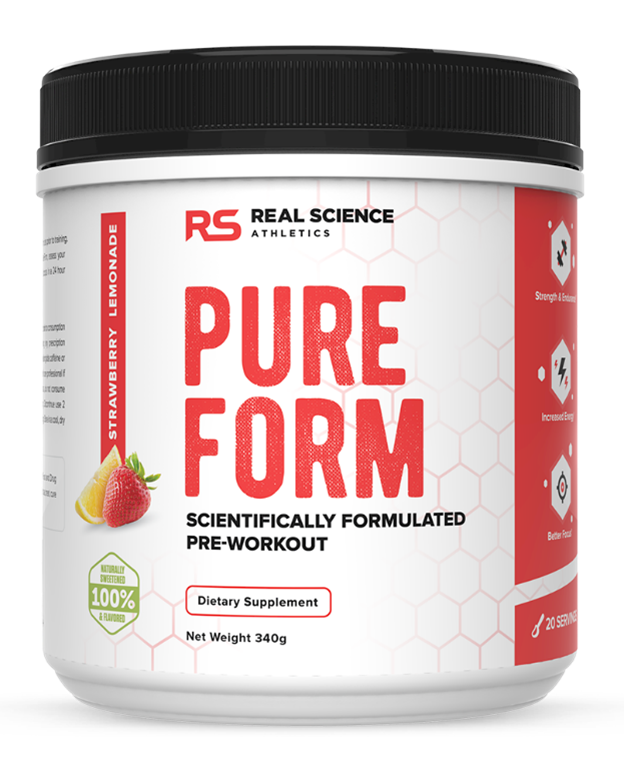
You can check out PureForm here, and code RSA10 will take 10% off your first order.
Talk soon,
Sean
References:
[1] https://pubmed.ncbi.nlm.nih.gov/18681988
[2] https://pubmed.ncbi.nlm.nih.gov/18006208
[3] https://pmc.ncbi.nlm.nih.gov/articles/PMC12456047
[4] https://pubmed.ncbi.nlm.nih.gov/31443220