Stop Wasting Money On Electrolytes
Sean Nalewanyj – July 23, 2026
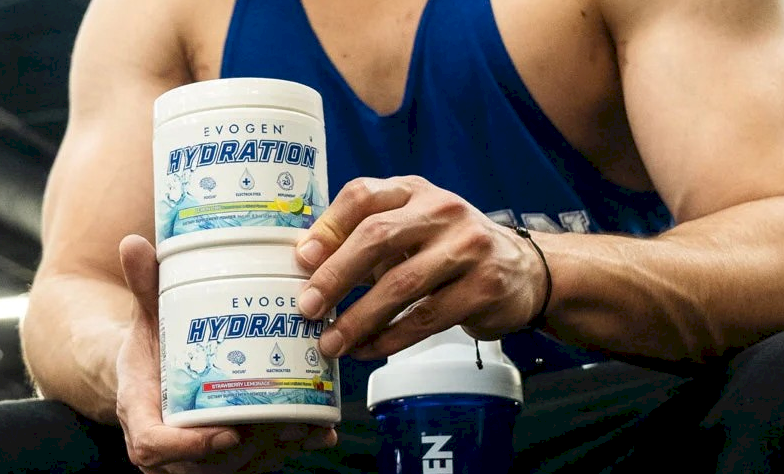
Electrolytes have somehow become one of the hottest supplement categories in the fitness industry.
Every influencer seems to be stirring a sachet into their water these days, and half the pre-workouts on the market now advertise some kind of “hydration matrix” as a selling point.
Sure, if you’re training hard for several hours, competing in endurance events, or exercising in extreme heat, replacing sodium can become more important.
But that isn’t how the vast majority of people train, especially when it comes to workouts centered around strength and hypertrophy.

Lifting weights for 60 to 90 minutes in an air-conditioned gym isn’t enough for electrolytes to become a limiting factor during the session.
Even in endurance exercise, additional sodium doesn’t automatically improve performance.
In one randomized crossover study, trained cyclists completed a 72 km time trial while taking either sodium capsules or a placebo, with water available throughout. [1]

Despite supplementing with sodium during the ride, there was no meaningful difference in finishing time between the two groups.
Sweat contains water, sodium and chloride, along with smaller amounts of minerals such as potassium and magnesium.
Whatever small amounts you do lose over the day are typically replaced through your regular food intake, with a quality multivitamin covering any shortfall in minerals like magnesium.
Between your diet and drinking enough water, there’s no real need for an electrolyte supplement.
Around 90% of US adults already consume more sodium than recommended, since it’s in practically everything we eat. [2]
High sodium intake is a well-established contributor to elevated blood pressure in many people.
So paying premium prices to add even more of it makes very little sense for most people, and can even be harmful.
Sure, if you’re a genuinely salty sweater, eat a very low-sodium diet, or regularly perform prolonged endurance exercise (especially in the heat), paying a bit more attention to your sodium intake can make sense.
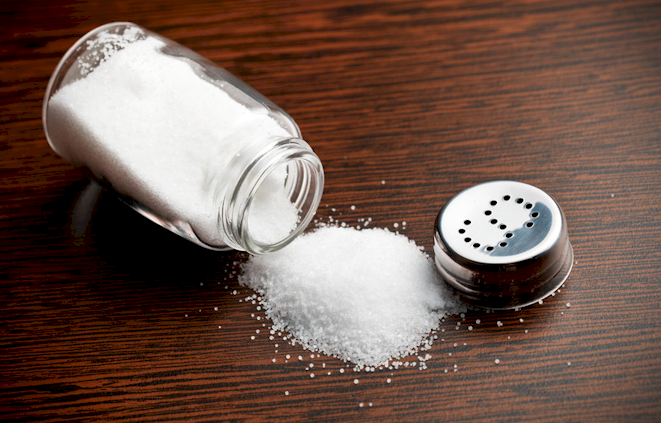
But even then, adding a bit of regular table salt to your food or your water is all you really need.
That costs a few cents. It doesn’t require a flavored sachet at a premium markup or an “advanced hydration formula” with a lifestyle brand attached to it.
The same logic applies to your pre-workout.
A lot of them now list an “electrolyte blend” on the back of the tub.
It looks like added value, but it’s usually only there because it reads well on the label, not because it changes anything about your training.
When marketing drives the formula instead of the evidence, you end up paying for ingredients you don’t need.
That’s why I formulated our PureForm Pre-Workout using ingredients that all earn their place.
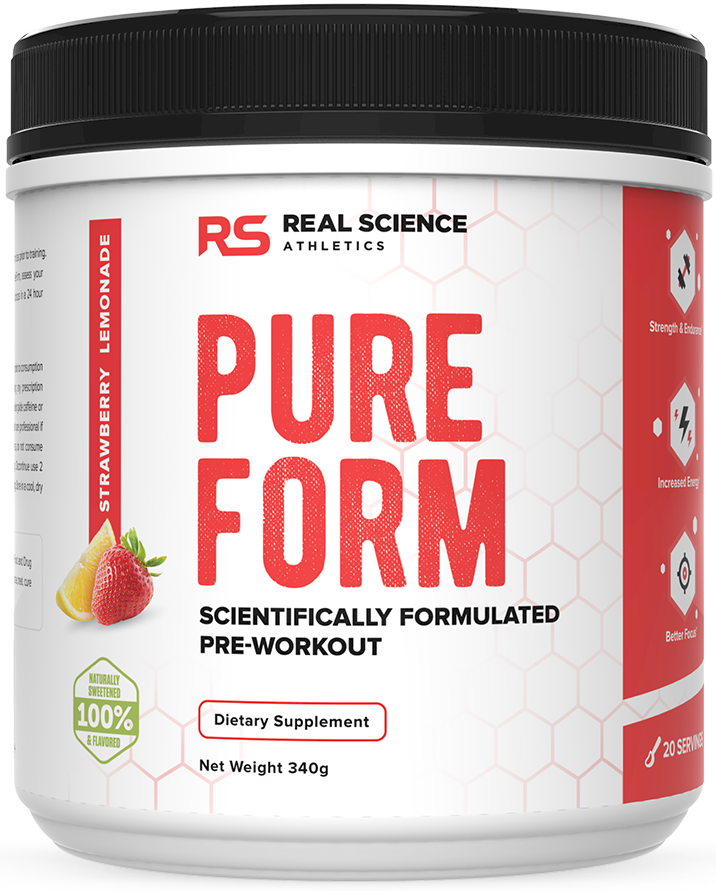
Every dose is based on what the research actually supports to improve energy, strength, focus and training performance, with nothing included just to pad the label.
You can check out PureForm here, and code RSA10 will take 10% off your first order.
Talk soon,
Sean
References
[1] Cosgrove SD, Black KE. Sodium supplementation has no effect on endurance performance during a cycling time-trial in cool conditions: a randomised cross-over trial. J Int Soc Sports Nutr. 2013;10:30.
[2] Jackson SL, et al. Prevalence of Excess Sodium Intake in the United States, NHANES 2009-2012. MMWR Morb Mortal Wkly Rep. 2016;64(52):1393-1397.